
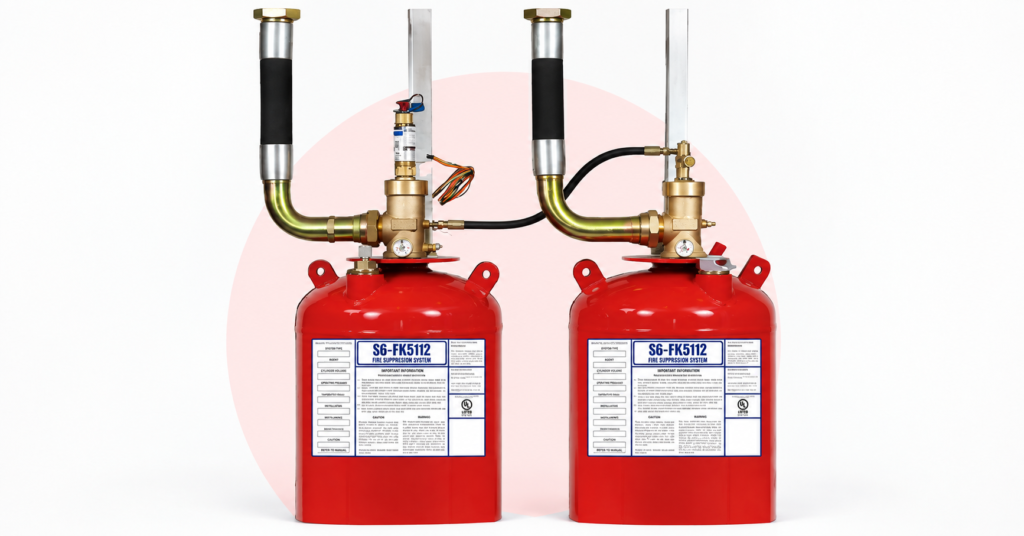
Sensitive electronic equipment is an important part of many modern businesses. Server rooms, data centres, control rooms, telecommunications facilities, and electrical rooms often contain equipment that can be expensive to replace and difficult to recover after a fire. Traditional water-based fire protection may help control a fire, but water can also cause additional damage to sensitive electronics.
A gas extinguishing system provides an alternative approach by using a gaseous extinguishing agent to control or suppress a fire without relying on water. When properly designed and installed, these systems can provide rapid fire protection while helping reduce the risk of secondary damage to valuable equipment.
Why Sensitive Equipment Needs Special Fire Protection
Electronic equipment can be affected by fire, smoke, heat, and water. Even a small fire in a server or electrical room can interrupt business operations and potentially result in data loss, equipment replacement, and costly downtime.
For this reason, areas containing sensitive equipment often require a fire protection solution that can respond quickly while minimising additional damage. A gas suppression system can be suitable for these environments because the extinguishing agent can be distributed throughout the protected space without flooding the area with water.
How Does a Gas Suppression System Work?
A gas suppression system normally works together with an automatic fire detection and control system. Detectors continuously monitor the protected area for signs of fire, such as smoke or excessive heat.
When the system detects a confirmed fire condition, the control panel initiates the programmed sequence. Alarms may be activated to warn occupants, while the system prepares for the discharge of the extinguishing agent.
The gas is then released through specially designed pipework and nozzles. The agent spreads throughout the protected enclosure and works to suppress the fire by removing heat, interrupting the combustion process, or reducing the oxygen concentration, depending on the type of agent used.
Gas Suppression System for Server Room Protection
A gas suppression system for server room applications can provide an important layer of protection for IT infrastructure. Server rooms may contain servers, network switches, storage equipment, power supplies, and communication systems that are essential to business operations.
Potential fire risks can come from electrical faults, overheating equipment, damaged cables, or other failures. Because a fire can quickly affect multiple pieces of equipment, early detection and rapid suppression are important.
A properly designed gas suppression system for server room environments can detect a developing fire and release the appropriate extinguishing agent after the required alarm and safety sequence. The system can also be integrated with other building fire protection and monitoring systems.
What Makes Gas Suppression Suitable for Electronic Equipment?
One of the main advantages of gas-based fire suppression is that it does not depend on water to extinguish the fire. This can be particularly useful in locations where water discharge could damage sensitive electronic equipment.
Depending on the agent selected, a gas suppression system may also leave little or no residue after discharge. This can make recovery and cleaning easier compared with some other extinguishing methods.
However, the system must be carefully designed for the specific protected room. Factors such as room volume, ventilation, enclosure integrity, equipment layout, occupancy, and fire risk all need to be considered.
Common Applications for Gas Suppression Systems
Gas suppression technology can be used in many environments where sensitive or high-value equipment requires specialised fire protection.
Server Rooms and Data Centres
Data centres and server rooms contain critical IT infrastructure that needs continuous protection. Gas-based suppression can help control fires while avoiding direct water exposure to electronic equipment.
Electrical and Control Rooms
Electrical panels, control systems, automation equipment, and other electrical infrastructure may require specialised protection. A suitable gas suppression system can help address fire risks in these areas.
Telecommunications Facilities
Communication networks depend on electronic equipment that can be vulnerable to fire and water damage. Gas suppression can provide targeted protection for telecommunications infrastructure.
Critical Infrastructure Areas
Facilities containing important electronic systems, monitoring equipment, or control technology may also benefit from gaseous fire suppression where the system is appropriate for the specific fire risk.
Types of Gaseous Fire Suppression Agents
Different gaseous agents are available for different fire protection applications. The choice depends on the protected environment, equipment, occupancy, fire hazards, environmental considerations, and applicable requirements.
Clean agents such as FM-200 and FK-5-1-12 are commonly considered for sensitive equipment applications. Inert gases such as IG-541 and IG-55 may also be used in suitable environments.
The selection of an extinguishing agent should be based on a professional assessment rather than simply choosing an agent based on popularity or cost.
Benefits of Installing a Gas Extinguishing
System
A properly designed gas extinguishing system can offer several benefits for facilities that rely on sensitive equipment.
Rapid Fire Suppression
Gas systems are designed to release the extinguishing agent quickly after the appropriate detection and activation sequence, helping control a fire before it spreads.
Reduced Risk of Water Damage
Because the system uses a gaseous agent instead of water, it can help reduce the risk of secondary water damage to servers, electrical equipment, and other sensitive assets.
Protection of Critical Operations
Fire incidents can cause significant downtime. A suitable suppression system can help limit the impact of a fire and support faster recovery of important operations.
Minimal Residue with Suitable Clean Agents
Many clean-agent systems are designed to suppress fires without leaving conventional powder or water residue, which can help simplify post-fire cleanup.
Integration with Fire Alarm Systems
Gas suppression systems can be integrated with fire detection, alarm, monitoring, and building management systems to provide a coordinated response.
Importance of Proper Room Design
A gas suppression system depends on the protected enclosure being capable of retaining the required concentration of extinguishing agent for the specified period.
Doors, vents, cable openings, raised floors, ceilings, and other potential leakage points should therefore be considered during system design. In some installations, automatic shutdown or control of ventilation systems may also form part of the suppression sequence.
Proper room assessment helps ensure that the system can operate as intended during a fire emergency.
Why Professional Installation and Maintenance Matter
Installing a gas suppression system involves more than placing cylinders and connecting pipework. The system needs to be correctly calculated, installed, tested, and commissioned for the protected area.
Regular maintenance is also essential. Detection devices, control panels, cylinders, valves, pipework, nozzles, alarms, and other components should be inspected according to the applicable requirements.
Routine checks can help identify faults or changes to the protected area before they affect system performance.
Choosing the Right Gas Suppression Solution
Every facility has different fire risks and protection requirements. Before selecting a system, building owners and facility managers should consider the type of equipment being protected, room dimensions, occupancy, fire hazards, ventilation, environmental conditions, and applicable fire safety requirements.
A professional fire protection assessment can help determine whether a gas suppression system is appropriate and which extinguishing agent and system configuration best suit the application.
Conclusion
Sensitive electronic equipment requires fire protection that considers both the fire itself and the potential damage caused by firefighting methods. A properly designed gas suppression system can provide rapid fire protection while avoiding the direct water exposure associated with traditional sprinkler systems.
For server rooms, data centres, electrical rooms, telecommunications facilities, and other critical environments, a gas suppression system for server room and similar applications can help protect valuable equipment and support business continuity. Proper system selection, professional installation, testing, and regular maintenance are essential for reliable protection.
Frequently Asked Questions
1. What is a gas extinguishing system?
A gas extinguishing system is a fire protection system that uses a gaseous extinguishing agent to suppress or extinguish a fire within a protected area.
2. How does a gas suppression system protect electronic equipment?
A gas suppression system uses a gaseous agent instead of water to suppress a fire. This can help reduce the risk of secondary water damage to sensitive electronic equipment.
3. Is a gas suppression system for server room applications suitable for all server rooms?
The suitability depends on factors such as room size, equipment, occupancy, ventilation, enclosure integrity, fire hazards, and applicable requirements. A professional assessment should be carried out before installation.
4. What types of facilities can use gas suppression?
Gas suppression can be used in suitable server rooms, data centres, telecommunications facilities, electrical rooms, control rooms, and other areas containing sensitive or high-value equipment.
5. Does a gas extinguishing system leave residue?
Many clean-agent systems are designed to suppress fires without leaving conventional residue. The amount of residue and cleanup required depends on the specific extinguishing agent used.