General

Why Investing in Advanced Fire Safety Systems Saves Lives and Costs

Why Investing in Advanced Fire Safety Systems Saves Lives and Costs

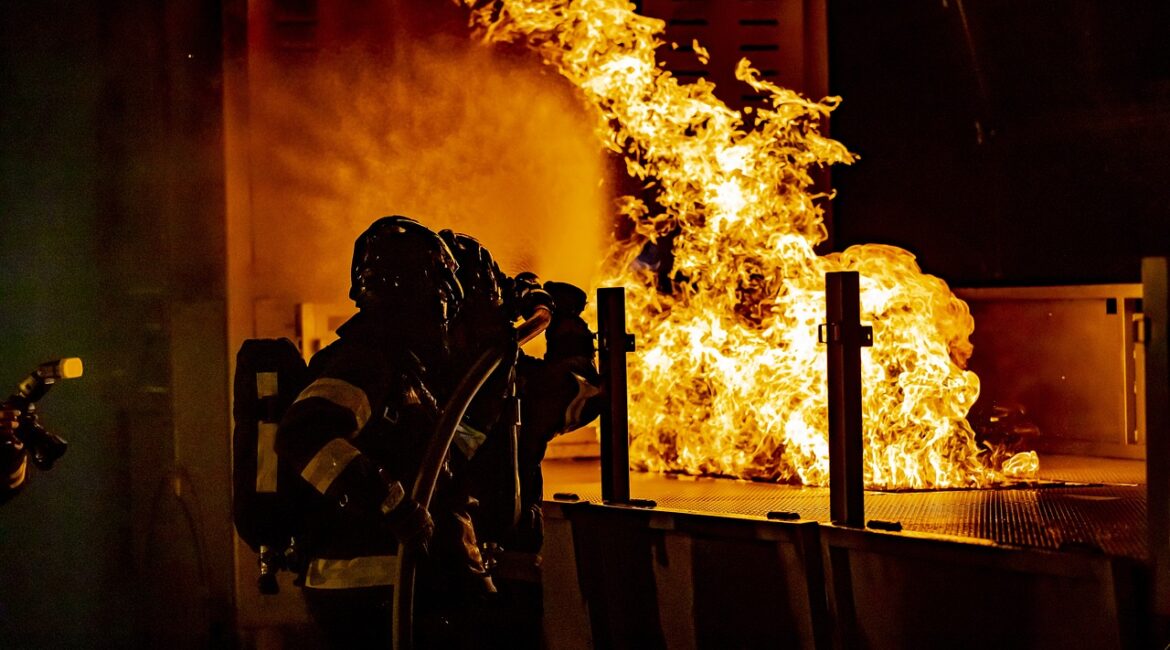
Fire safety is essential for safeguarding lives, property, and valuable assets. As such, solely relying only on outdated systems can leave you vulnerable to devastating consequences. Therefore, advanced fire safety systems, equipped with cutting-edge technology, not only enhance protection but also minimise long-term costs by reducing damage and recovery expenses. This article explores why investing […]

Why Investing in Advanced Fire Safety Systems Saves Lives and Costs Read More »
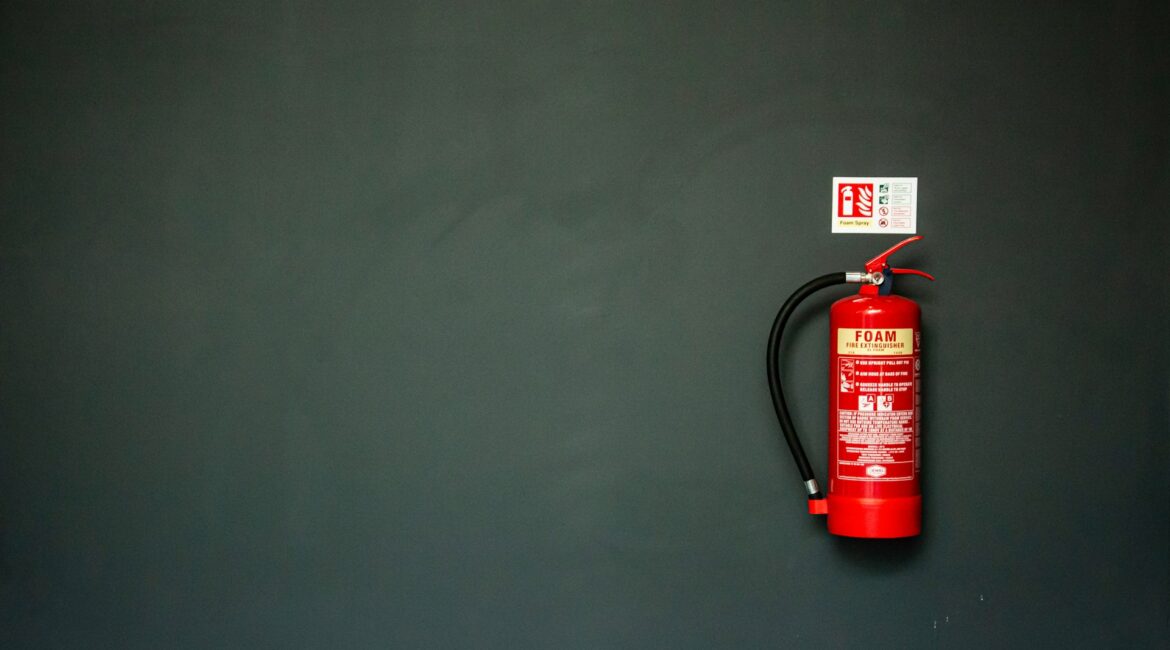
Importance of Regular Fire Extinguisher Maintenance

Importance of Regular Fire Extinguisher Maintenance

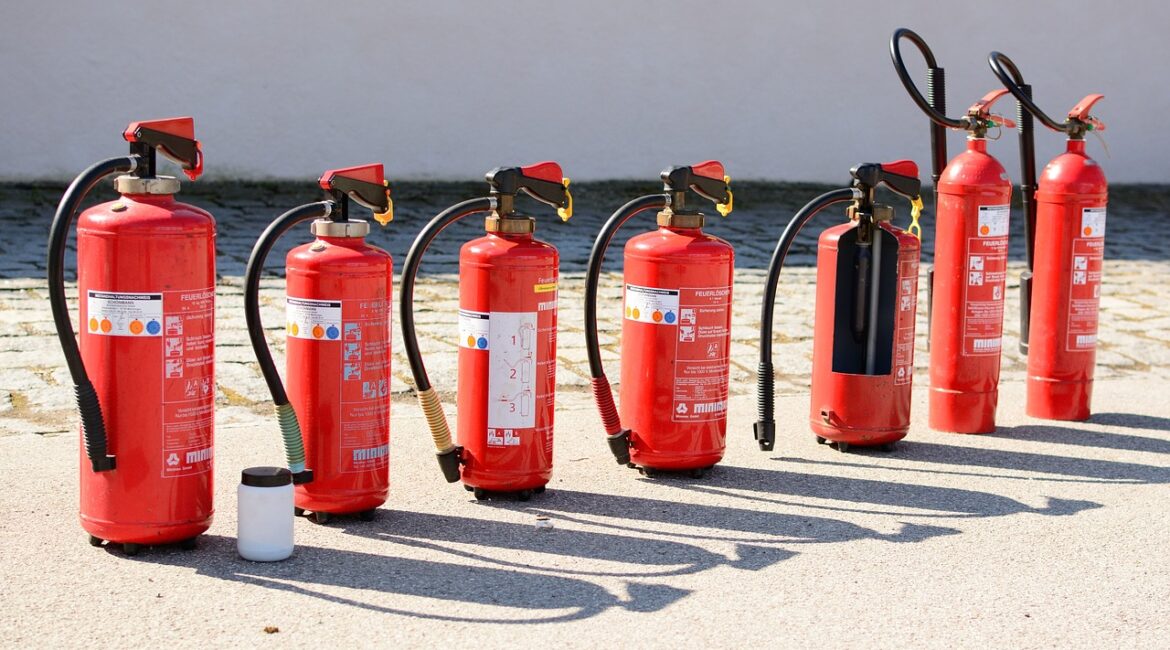
Fire extinguishers are your first line of defence against fires, giving you a fighting chance to extinguish a small blaze before it escalates into a major emergency. But like any tool, they need proper care. Regular maintenance ensures these lifesavers are always ready to perform when you need them most. Understanding Fire Extinguishers It’s crucial

Importance of Regular Fire Extinguisher Maintenance Read More »

Fire safety is critical for commercial properties, where the consequences of a fire can lead to the loss of lives, significant financial damage, and long-term operational disruptions. Therefore, understanding common hazards and how to mitigate them is essential for protecting your employees and your business. Common Fire Hazards Want to keep your workplace safe from fire? It starts with knowing your enemy. Some of the most common fire hazards lurking in commercial buildings include: Electrical Hazards: Electrical systems, including faulty wiring, overloaded circuits, and malfunctioning equipment, can pose serious fire risks. For example, worn-out cables or improper installations can spark fires if not addressed promptly. Using multiple devices without proper load management can also overburden circuits, increasing the risk of electrical faults. Flammable Materials: Many businesses store combustible items, such as chemicals, cleaning agents, and paper products, which can ignite with little effort. These materials pose a serious fire hazard without proper storage and clear labelling. Even something as simple as misplaced cardboard packaging or spilt cleaning fluid can quickly escalate into a dangerous situation. Stockrooms and janitor closets are especially vulnerable if flammable products are not managed correctly. Cooking Equipment: Open flames, hot surfaces, and grease build-up create conditions where accidents are more likely to occur. Grease, in particular, can accumulate in exhaust hoods and stovetops, acting as fuel if left unchecked. Heating Systems: Poorly maintained heating systems are a common source of fire hazards. Dust collecting inside heating units, faulty components, and blocked vents can increase risks. Without regular maintenance, systems may overheat or malfunction. Older heating systems are also more prone to fire due to all the wear and tear. Smoking Areas: Even with designated smoking zones, careless disposal of cigarette butts could cause fires. If ashtrays are not provided or used correctly, smouldering cigarettes can ignite flammable materials nearby. This risk becomes more significant in outdoor areas with dry vegetation or rubbish bins. Blocked Exits and Escape Routes: Clear exits and escape routes are essential to evacuate occupants safely in case of a fire. Unfortunately, blocked pathways and locked emergency exits are common safety violations. Obstructed routes hinder evacuation and put lives at greater risk during emergencies. Not sure what to do when a fire breaks out? Check out the top fire safety tips before it happens. How to Mitigate Fire Hazards Even minor oversights can lead to serious incidents that endanger lives. Here are some ways to mitigate fire hazards and ensure a safer work environment. Regular Inspections and Maintenance: Scheduled inspections are vital to identifying potential fire risks early. Routine checks of electrical systems, appliances, and heating units help ensure they are in safe working condition. Proper Storage of Flammable Materials: Businesses should store hazardous items in designated areas with proper labelling and ventilation. Flammable substances must be kept in fire-resistant cabinets away from heat sources. In addition, employees handling such materials should be trained on storage protocols to avoid accidents. Installation of Fire Suppression Systems: Equipping buildings with fire suppression systems goes a long way in containing fires. They serve as the first line of defence that activates quickly to prevent the spread of fire. Regular testing ensures these systems are operational when needed. Staff Training and Fire Drills: Employees are often the first responders in a fire emergency, making fire safety training essential. As such, regular fire drills help familiarise staff with evacuation procedures and emergency exits. Make sure that roles and responsibilities are clearly communicated to your employees so they know how to respond in the event of a fire. Implementing Fire Safety Plans: Fire safety plans outline essential procedures for preventing and responding to fire emergencies. These plans should include details on evacuation routes, meeting points, and emergency hotlines. Ensuring that all employees understand and follow these guidelines enhances workplace safety. The Role of Technology in Fire Safety Technological advancements have become essential in enhancing fire safety by offering more effective ways to detect, control, and suppress fires. For example, suppression technologies such as automatic fire sprinkler systems are now meticulously designed to suit different types of structures, thereby ensuring rapid activation to contain or extinguish fires before they spread. Furthermore, fire detection systems continuously monitor environments, detecting fire, smoke, or heat and providing early warnings to occupants and emergency responders. As buildings become more complex, traditional fire safety methods, such as basic smoke detectors and fire extinguishers, are no longer sufficient. Today’s innovations offer faster, smarter, and more reliable solutions that help minimise fire-related risks over the long term. Prioritise Safety Round-The-Clock Fire hazards in commercial buildings are a serious concern that cannot be overlooked. At King Fire, we provide advanced fire safety solutions designed to help businesses protect their people and property. We help companies to foster safer workplaces and create peace of mind for employees and owners alike. Don’t wait for disaster to strike. Contact King Fire today for a comprehensive fire safety consultation and ensure your business is protected. You May Also Like How Fire Sprinkler Systems Work Reasons to Buy a Fire Extinguisher for Your Home What Are the Best Fire Safety Tips to Follow During a Fire? Types of Fire Extinguishers in Singapore Gas Suppression System for Server Rooms Kitchen Fire Suppression System Cost Why is Fire Hose Reel Installation Essential for Workplaces? Guide to Fire Alarm System Panels & Control Panels Role of Fire Alarms in Early Detection

Common Fire Safety Hazards In Commercial Buildings

Fire safety is critical for commercial properties, where the consequences of a fire can lead to the loss of lives, significant financial damage, and long-term operational disruptions. Therefore, understanding common hazards and how to mitigate them is essential for protecting your employees and your business. Common Fire Hazards Want to keep your workplace safe from

Common Fire Safety Hazards In Commercial Buildings Read More »

Difference Between Active & Passive Fire Protection

Fire protection in buildings is a critical aspect of safety that involves various measures to prevent and control fires. A well-rounded fire safety system ensures that a building is protected from the risk of fire, safeguarding its occupants and structure. To achieve this, it is essential to understand the difference between two key components: active

Difference Between Active & Passive Fire Protection Read More »

Fire Alarm System Panels and Control Panels: Key Functions and Benefits

Fire Alarm System Panels and Control Panels: Key Functions and Benefits

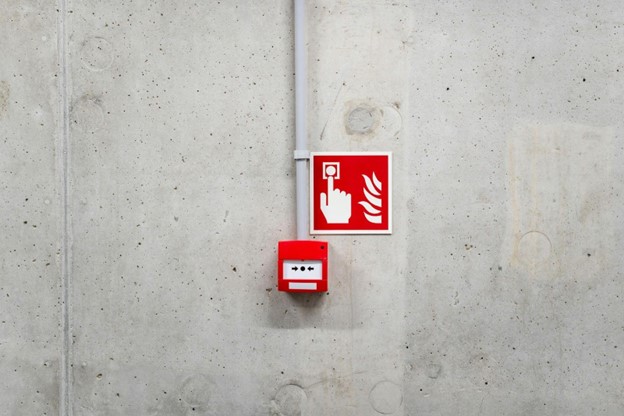
A fire alarm system is crucial for protecting a building in the event of a fire emergency. These systems are tailored to provide thorough protection during such incidents, prioritising the safety of both people and property. When it comes to fire safety systems, there are at least two key elements that play a significant role in safeguarding

Fire Alarm System Panels and Control Panels: Key Functions and Benefits Read More »

Office Fire Safety

Office Fire Safety

According to Statista, workplaces in Singapore experience an average of 26 dangerous incidents each year, with fires and explosions being significant contributors. These incidents often stem from everyday office hazards like faulty electrical equipment, overloaded circuits, the misuse of appliances or even simple human error. At the same time, this statistic underscores the importance of

Office Fire Safety Read More »

Protect Your Server Room with a Reliable Gas Suppression System in Singapore

Protect Your Server Room with a Reliable Gas Suppression System in Singapore

In today’s digital age, server rooms are the backbone of many businesses, housing critical IT infrastructure that supports day-to-day operations. Therefore, it’s crucial to protect the server room from potential fire hazards to prevent costly disruptions and data loss. To achieve this, gas suppression systems stand out as one of the best options for safeguarding server rooms,

Protect Your Server Room with a Reliable Gas Suppression System in Singapore Read More »

How to Prevent Industrial Fires

How to Prevent Industrial Fires

Industrial fires pose severe risks to life and property, often resulting in devastating consequences. These incidents can cause extensive damage to facilities, loss of valuable equipment, and, most tragically, loss of life. The financial repercussions are equally severe, as businesses may face costly repairs, legal liabilities, and disruptions in operations. Furthermore, the impact on employees

How to Prevent Industrial Fires Read More »

Types of Fire Extinguishers in Singapore

Types of Fire Extinguishers in Singapore

Protecting your loved ones and property from fire starts with having the right equipment at hand. Fire extinguishers are essential first responders in emergencies, but choosing the right one can be tricky. In Singapore, the Singapore Civil Defence Force (SCDF) provides guidance on selecting, installing, and maintaining appropriate extinguishers for various settings. Remember, not all

Types of Fire Extinguishers in Singapore Read More »

Scroll to Top