
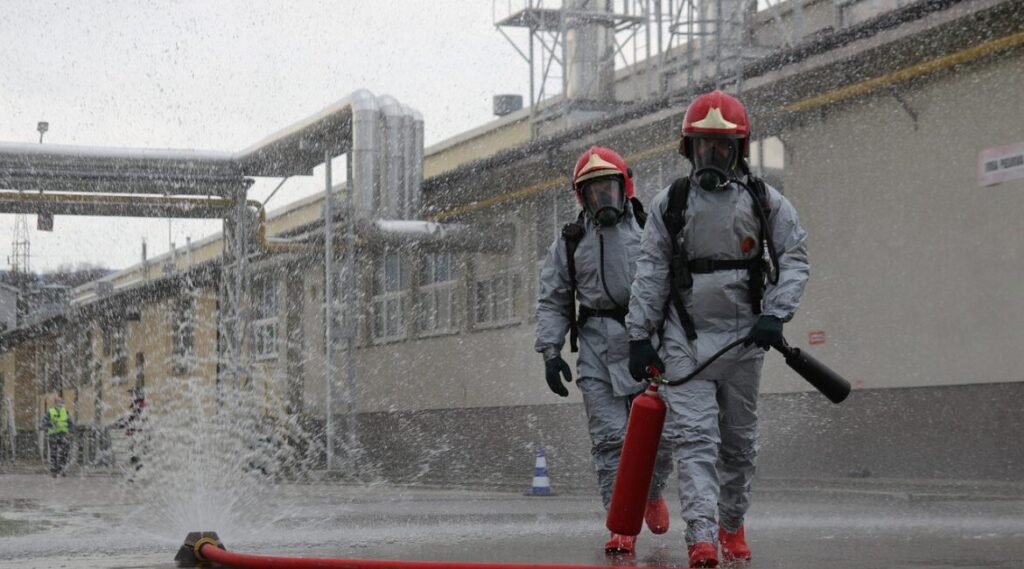
Fires can escalate rapidly, leaving little time for crucial decisions. In 2024 alone, the Singapore Civil Defence Force (SCDF) reported an increase of nearly 2,000 fire incidents. Without the right strategies in place, property damage can be extensive, business operations can halt, and, most importantly, lives can be at significant risk. It’s clear that relying solely on outdated methods is no longer sufficient.
Fortunately, fire alarm systems have evolved from basic, traditional detectors to today’s intelligent, integrated networks capable of unprecedented precision. This is why upgrading to advanced detection technologies is key to creating a robust fire alarm strategy that will secure a truly safe environment and uphold the highest standards of protection.
That said, this article will explore why embracing these cutting-edge innovations is vital and highlight how they dramatically enhance response times and overall safety.
Traditional vs. Advanced Fire Detection Technologies
For a long time, fire detection mostly relied on standard smoke and heat detectors. These basic systems did what they were supposed to by sounding an alarm when smoke got too thick or temperatures rose too high. But while they were reliable enough, they often reacted slowly to fires just starting out and were prone to false alarms in places with changing conditions, leading to many unnecessary disruptions.
Today, a new generation of sophisticated detection technologies can offer unparalleled precision and efficiency:
- AI-based detection: These systems use artificial intelligence to analyse subtle patterns in real time and tell the difference between a real threat and a false alarm, leading to more accurate and timely results.
- Multi-sensor units: Advanced detectors combine several sensing technologies—such as smoke, heat, and even carbon monoxide—into a single unit. Using this multi-criteria approach means you get more accurate and reliable fire verification.
- Aspirating Smoke Detectors (ASD): Known for being incredibly sensitive, ASDs constantly pull air samples through a network of pipes into a central detection unit. This lets them spot invisible combustion by-products early, long before you see smoke.
- IoT-integrated systems: Fire alarm systems can now connect to the Internet of Things (IoT) and give you real-time monitoring, remote diagnostics, and automated response capabilities across fire sprinkler systems and other emergency response infrastructures.
Benefits of Advanced Detection Technologies
Upgrading to advanced detection technologies brings numerous advantages to fire safety:
- Faster Response Times and Early Warning: By detecting nascent fire conditions almost instantly, advanced systems give you crucial extra minutes. This allows for earlier occupant evacuation and much swifter activation of fire suppression efforts, dramatically minimising potential damage.
- Reduced False Alarms and System Downtime: The intelligence built into these systems, especially AI, IoT devices, and multi-sensor capabilities, means far fewer false alarms and unnecessary system disruptions and evacuation drills. These advancements help ensure the system stays fully operational and reliable when a real threat emerges.
- Better Integration with Building Management Systems: Modern fire alarm systems are designed to seamlessly communicate with a building’s entire management infrastructure. This holistic integration means a fire incident can automatically trigger other critical responses, like unlocking exits, shutting down HVAC systems, or activating emergency lighting, for a fully coordinated safety response.
- Data Analytics and Remote Monitoring Capabilities: IoT-enabled systems collect valuable data on how they’re performing, environmental conditions, and alarm history. You can access this data remotely, making it easier to carry out proactive maintenance, quickly troubleshoot issues, and keep real-time oversight of your facility’s fire safety status from anywhere.
Key Technologies to Consider
Choosing the right advanced detection technologies depends on your building’s specific needs:
- Aspirating Smoke Detectors (ASD): These are ideal for highly sensitive areas or areas with very high ceilings like warehouses, data centres, stadiums, hangars, and cold storage spaces, where catching a fire at its absolute earliest stage is critical.
- AI-powered video detection: This technology is well-suited for complex environments where video analytics can accurately spot smoke and flames, such as in remote locations and large factories, commercial buildings, or warehouses.
- Multi-criteria detectors: By combining smoke, heat, and even carbon monoxide detection, these units offer enhanced protection for various applications where precise and versatile detection is crucial, including kitchens, offices, schools, hospitals, hotels, retail areas, and residential complexes.
- IoT and cloud-connected systems: Providing real-time alerts, remote monitoring, and data analytics, these systems are essential for smart buildings and homes.
Regulatory Considerations in Singapore
In Singapore, fire safety regulations are strictly enforced, making compliance a critical aspect of any fire alarm strategy. When upgrading your system, it’s crucial to ensure it meets all requirements from the SCDF and the Fire Code. This includes meticulously using approved products and following installation guidelines.
For this reason, being guided by professionals with extensive experience in navigating these complex regulations is essential; they can ensure your system not only functions effectively but also adheres to every necessary standard.
Also, be aware that upgrading your system might even be recommended or mandatory in specific situations, such as during major building renovations or drastic changes in how a space is used, especially when necessary for public safety.
Implementation Strategy
Successfully bringing advanced detection technologies into your fire alarm strategy requires a well-thought-out plan:
- Site assessment and needs analysis: Start with a thorough assessment of your building to identify specific fire risks and determine the most appropriate technologies.
- Integration with existing fire alarm and FSMS systems: To ensure all your systems work together smoothly, your new advanced detection components need to integrate with your current fire alarm and fire safety management system (FSMS).`
- Training and maintenance planning: To ensure your new technology lasts and performs seamlessly, you need to have a robust, regular maintenance plan and provide comprehensive system operation and maintenance training for your building personnel.
How King Fire Supports Integration
King Fire is your award-winning and trusted partner in modernising your fire alarm system. We offer:
- Expert consultation and customised system design: Our experienced professionals will work closely with you to design a fire alarm strategy tailored to your needs and budget.
- SCDF-compliant installations and testing: We ensure that all installations meet SCDF requirements and conduct rigorous testing to guarantee system performance.
- Ongoing support and system upgrades: We provide ongoing support, maintenance, and system upgrades to align your fire protection with the latest technologies.
Secure Your Tomorrow, Today with King Fire
The future of fire safety undeniably lies in the intelligent capabilities of smart detection. Upgrading your fire alarm system with these advanced technologies is the most effective way to protect valuable assets, ensure unwavering regulatory compliance, and, most importantly, safeguard the lives of everyone within your premises.
Secure your peace of mind. Contact King Fire today to modernise your fire alarm system and step confidently into a safer tomorrow.
FAQS
What are advanced fire alarm detection technologies?
Advanced fire alarm detection technologies use intelligent sensors, AI-powered analytics, and connected monitoring systems to detect fire hazards more quickly and accurately than traditional fire alarm systems. These technologies improve response times and enhance overall fire safety.
How do AI-powered fire alarm systems improve fire safety?
AI-powered fire alarm systems analyze data from multiple sensors to distinguish between real fire events and false alarms. This enables faster detection, more accurate alerts, and quicker emergency response, helping protect lives and property.
What is an Aspirating Smoke Detector (ASD)?
An Aspirating Smoke Detector (ASD) is a highly sensitive fire detection system that continuously samples air through a network of pipes. It can detect smoke particles at a very early stage, making it ideal for data centers, server rooms, clean rooms, warehouses, and other critical facilities.
How do advanced fire detection systems reduce false alarms?
Advanced fire detection systems combine multiple sensing technologies, environmental monitoring, and intelligent algorithms to accurately identify genuine fire conditions. This significantly reduces false alarms caused by dust, steam, or other non-fire factors.
Which industries benefit most from advanced fire alarm detection technologies?
Industries such as commercial buildings, manufacturing facilities, healthcare, hospitality, data centers, logistics, education, and industrial plants benefit from advanced fire alarm detection technologies because they require reliable early fire detection and continuous protection.