Fire Alarm Systems Singapore | Fire Alarm Control & Panel Solutions
Comparison between Conventional, Addressable & Hybrid System
Details |
![]() Conventional System |
![]() Addressable System |
![]() Hybrid System |
|---|---|---|---|
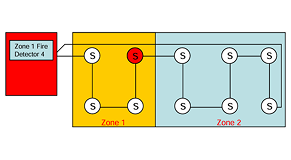
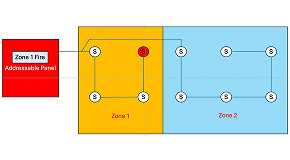
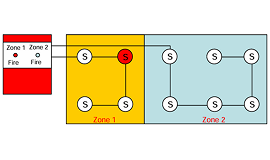
| Description | A cost-effective option for smaller facilities, conventional systems divide a property into zones, indicating where a fire has been detected and providing a broad identification of the incident location. | Ideal for complex environments, addressable systems offer precise location tracking for each alarm trigger, improving the efficiency of emergency responses. | Ideal for mid-size environments where cost is a key factor, hybrid or semi-addressable systems offer the benefits of labour and material cost savings. |
| Ideal For | Small to medium-sized buildings or properties with simple layouts. | Large commercial spaces or buildings with complex infrastructures. | Mid-size residential buildings. |
| Detection Type | Zone-based detection, which identifies the zone of fire origin. | Individual address detection for pinpoint accuracy. | Zone-based detection, which identifies the zone of fire origin. |
| Key Benefits |
|
|
|
| Technical Specifications |
Detection: Zone-based Building Size: Suitable for small to medium-sized structures Installation: Simplified, less complex wiring Cost: Budget-friendly, with low initial investment |
Detection: Individual address for each device Building Size: Designed for large and complex buildings Installation: Requires more intricate planning and installation Cost: Higher upfront cost, balanced by long-term benefits in safety and operation |
Detection: Zone-based Building Size: Designed for small to mid-size buildings Installation: Requires more intricate planning and installation Cost: Lower cost as compared to conventional system |

Benefits of Fire Alarm & Detection Systems
- Early Detection: These systems quickly identify fire or smoke, enabling early intervention, which can save lives and limit property damage.
- Prompt Evacuation: Loud alarms and visual signals help facilitate quick evacuation, reducing the risk of injury during emergencies.
- Minimised Property Damage: Early alerts help prevent the spread of fire, protecting assets and reducing repair costs.
- Lower Insurance Premiums: Many insurers offer discounted rates for properties equipped with such systems, reflecting the reduced risk.
- Legal Compliance: Fire safety systems are often mandatory in Singapore’s public and commercial spaces, ensuring legal operation and avoiding penalties.
- Peace of Mind: Knowing your property is protected by a robust fire safety solution provides reassurance to owners, managers, and occupants alike.
Servicing and Maintenance
Regular servicing and maintenance is essential to keep a fire alarm system operating reliably when it matters most. Over time, dust, wear and tear, environmental conditions, and unnoticed faults can affect system performance. Without proper maintenance, even a well-installed fire alarm system may fail to detect risks early or respond as intended during an emergency.
A structured maintenance programme helps ensure the system remains fully functional, compliant, and ready for day-to-day operation. It also reduces the likelihood of unexpected breakdowns, costly repairs, and non-compliance issues during inspections.
Typical fire alarm system maintenance includes:
- System testing to verify that alarms, control panels, sounders, call points, and notification devices are working correctly.
- Sensor inspection to check detectors for dust, damage, obstruction, or reduced sensitivity.
- Fault detection to identify wiring issues, battery problems, panel faults, or component failures before they escalate.
- Compliance readiness to support fire safety requirements, regulatory checks, and proper documentation for audits or inspections.
Preventive maintenance is always more effective than waiting for a fault to happen. A proactive servicing schedule helps detect small issues early, minimise downtime, and maintain uninterrupted fire protection across the premises. This approach is especially important for commercial buildings, industrial sites, residential developments, and any property where system reliability is critical.
By investing in regular fire alarm system maintenance, building owners and facility teams can improve long-term reliability, extend system lifespan, and stay prepared for compliance requirements. More importantly, it provides confidence that the system will perform properly in the event of a real fire emergency.
Fire Alarm System Regulations & Compliance in Singapore
Fire alarm system compliance is a critical part of building safety in Singapore. Properly designed and maintained fire alarm systems help ensure early detection of fire incidents, timely evacuation, and effective emergency response. Compliance is not just about meeting requirements—it is about safeguarding occupants, assets, and business continuity.
In Singapore, fire safety expectations are guided by local authorities such as the Singapore Civil Defence Force (SCDF). Buildings are expected to be equipped with suitable fire alarm and detection systems that are appropriate for their usage, size, and risk profile. Systems that are installed incorrectly or do not meet recognised standards may fail during emergencies, leading to increased risk and potential operational disruption.
Fire alarm systems are typically required in commercial, industrial, and multi-occupancy buildings, including offices, factories, warehouses, and residential developments above certain thresholds. Approved systems and professional installation ensure that alarms function correctly, signals are transmitted reliably, and faults are detected early. Using certified equipment and engaging experienced fire safety specialists also helps building owners remain inspection-ready and maintain ongoing compliance.
How to Choose the Right Fire Alarm System for Your Building
Selecting the right fire alarm system depends on several practical factors rather than a one-size-fits-all approach. The first consideration is the building size and type. Smaller premises may require simpler systems, while large or complex buildings benefit from more advanced solutions that provide precise location identification and system monitoring.
Occupancy level is another key factor. Buildings with high foot traffic, such as offices, retail spaces, or public facilities, often require systems that offer faster detection and clearer alert mechanisms to support safe evacuation. The risk profile of the building also matters—areas with higher fire risks, such as kitchens, plant rooms, or industrial zones, require more robust detection and alarm coverage.
Budget planning should balance upfront costs with long-term maintenance and reliability. While initial investment is important, ongoing servicing, system scalability, and lifecycle costs should also be considered. Choosing a system that is easy to maintain and upgrade can reduce downtime and future expenses.
King Fire supports clients by assessing these factors objectively and recommending suitable fire alarm solutions based on safety requirements and operational needs. The focus is on helping building owners make informed decisions rather than promoting specific products.
Frequently Asked Questions
What is the difference between conventional and addressable fire alarm systems?
Conventional fire alarm systems divide a building into zones and indicate the general area of an alarm, while addressable systems identify the exact device or location that triggered the alert, addressable systems provide more precise information, making them suitable for larger or more complex buildings.
Are fire alarm systems mandatory for buildings in Singapore?
Fire alarm systems are required for many types of buildings in Singapore, depending on factors such as building use, size, and occupancy. Requirements are guided by local fire safety regulations and building codes, and compliance is typically verified during inspections.
How often should fire alarm systems be serviced?
Fire alarm systems should be inspected and maintained regularly to ensure reliability. Servicing schedules vary based on system type and building requirements, but routine testing and preventive maintenance are essential for continued performance.
Can fire alarm systems be integrated with other fire safety systems?
Yes, fire alarm systems can be integrated with other fire safety measures such as sprinkler systems, emergency lighting, and building management systems. Integration improves overall response coordination during fire incidents.
Who should install and maintain fire alarm systems in Singapore?
Fire alarm systems should be installed and maintained by experienced fire safety professionals who are familiar with local standards and system requirements. Professional handling ensures correct installation, reliable operation, and long-term system integrity.